CNC Machining vs. 3D Printing: How to Choose
CNC Machining vs. 3D Printing: How to Choose the Right Process
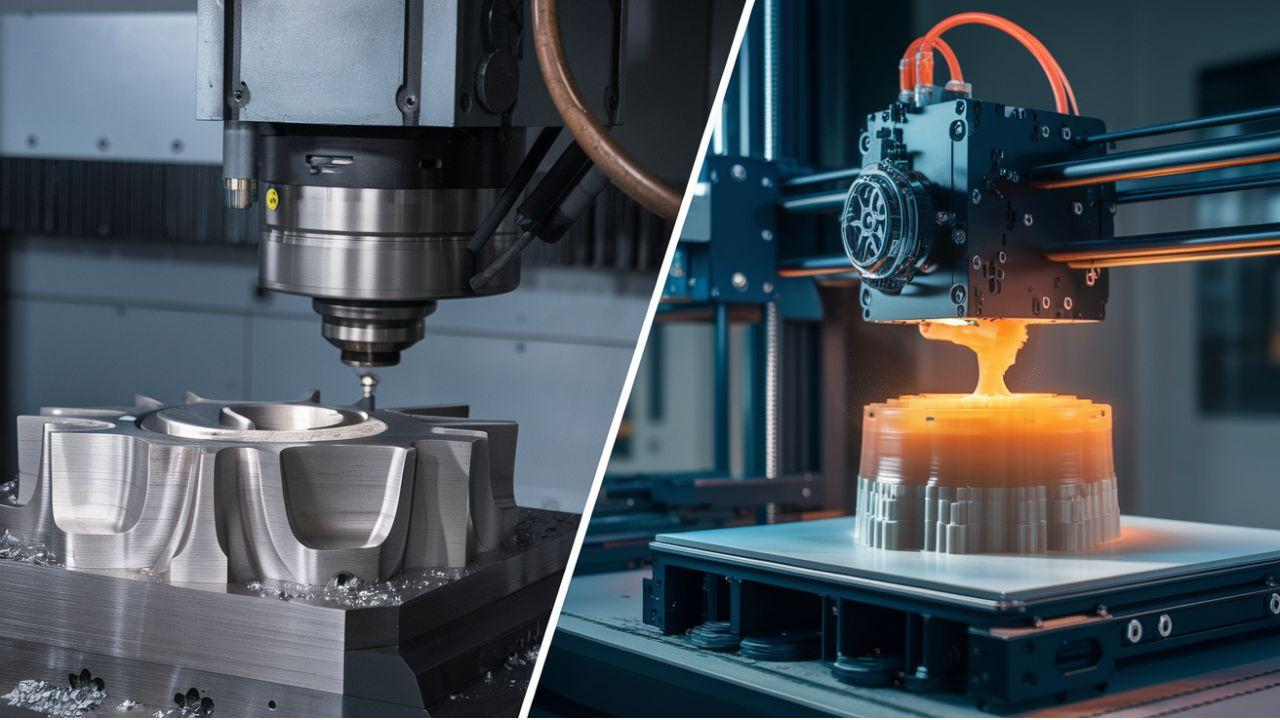
CNC machining and 3D printing are both widely used to make prototypes and custom parts, but they work in different ways. CNC machining removes material from a solid block, while 3D printing builds a part layer by layer.
Neither process is always the better choice. The right option depends on your part's material, geometry, dimensional requirements, quantity, and budget.
This guide compares the two processes to help you make a practical decision before requesting a quote.
CNC Machining vs. 3D Printing: Key Differences
|
Factor |
CNC Machining |
3D Printing |
|
Process |
Removes material from a solid workpiece |
Builds parts layer by layer |
|
Common materials |
Metals and engineering plastics |
Various plastics, resins, and selected metals |
|
Accuracy |
Well suited to precise dimensions and features |
Depends on printing technology and material |
|
Surface finish |
Can achieve smooth, consistent finishes |
May show visible layer lines or require post-processing |
|
Complex geometry |
Limited by tool access and workholding |
Can produce complex internal shapes |
|
Best suited for |
Functional parts and precision components |
Concept models and complex prototypes |
|
Cost factors |
Material waste, machining time, setup, and finishing |
Printing time, material, supports, and post-processing |
Actual results vary with the machine, material, part design, and finishing requirements.
How Do the Two Processes Work?
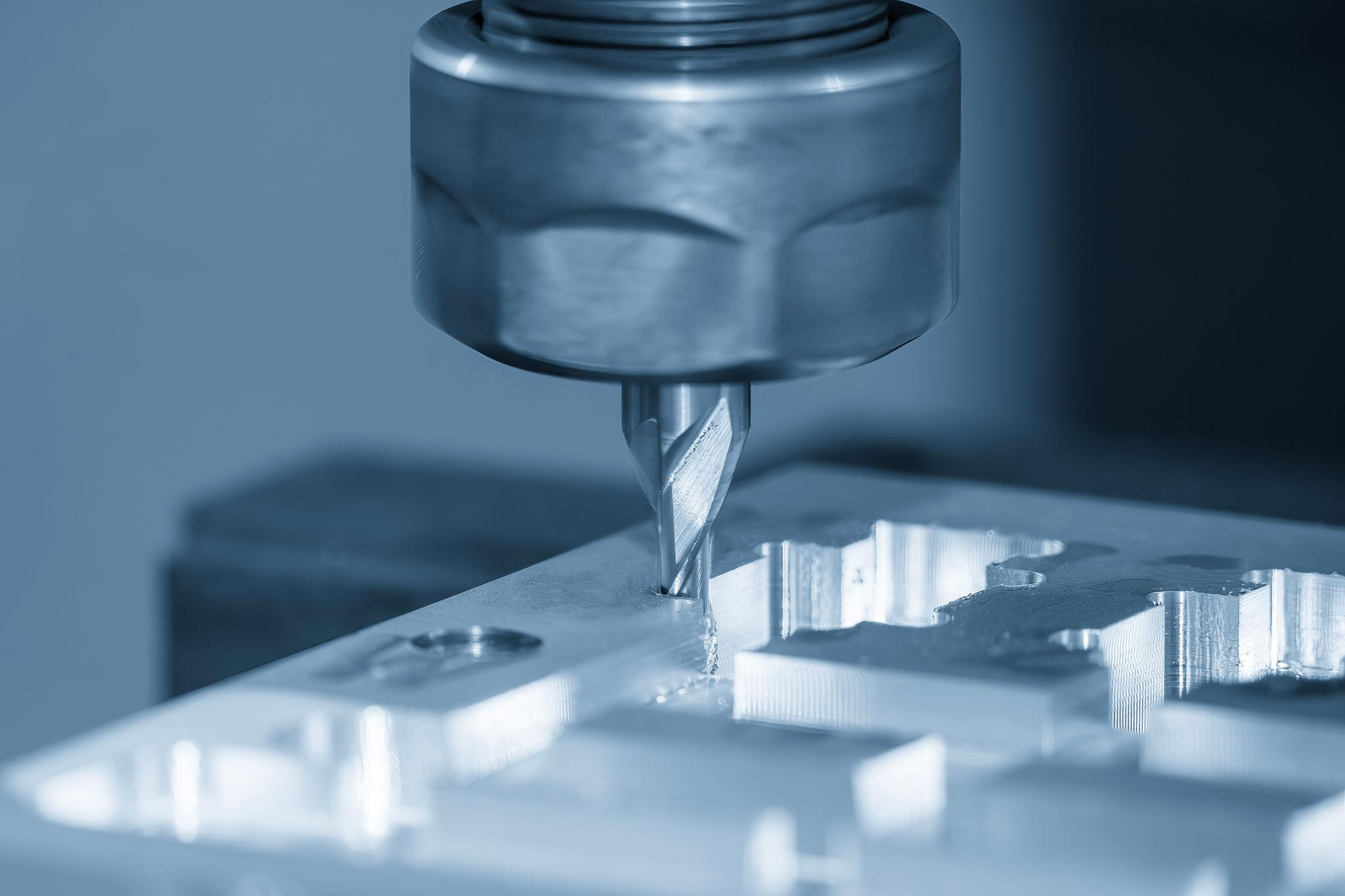
CNC Machining
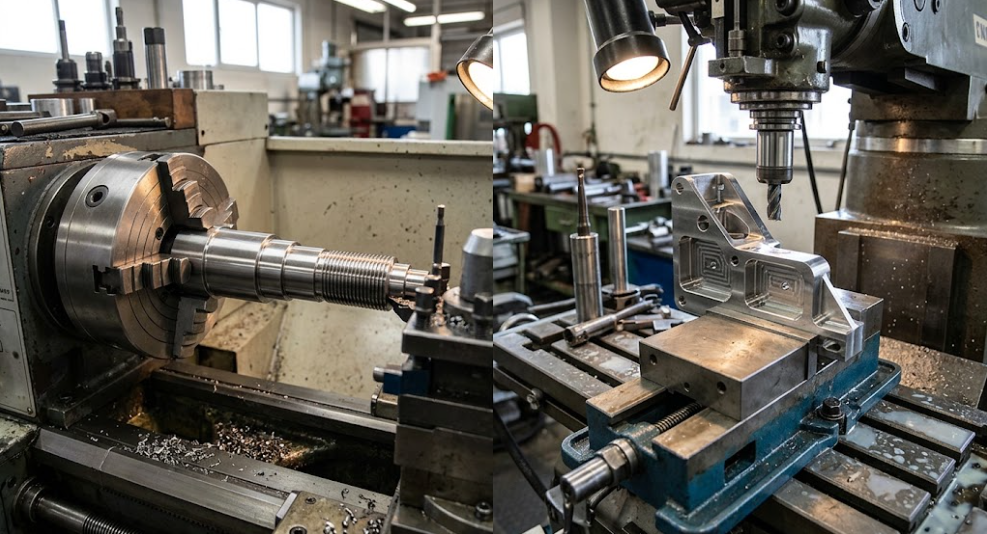
CNC machining uses computer-controlled cutting tools to remove material from a workpiece. Common operations include milling and turning.
A typical workflow involves:
- Preparing a 3D model and technical drawing.
- Selecting the material and machining strategy.
- Cutting the part to the required geometry.
- Inspecting dimensions and applying any specified finish.
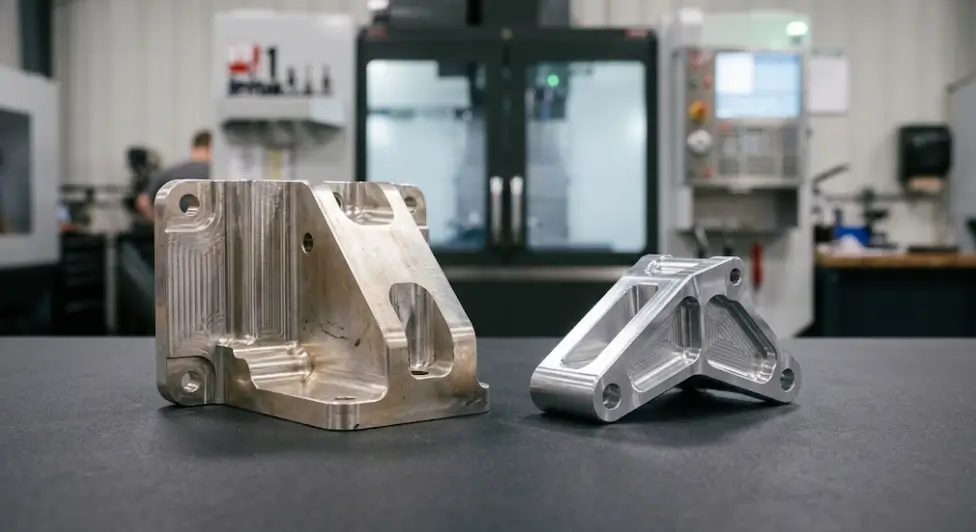
CNC machining is a strong option when parts need reliable dimensions, durable materials, or functional features such as threads, bearing seats, and mounting holes.
Learn more about CNC machining and its applications.
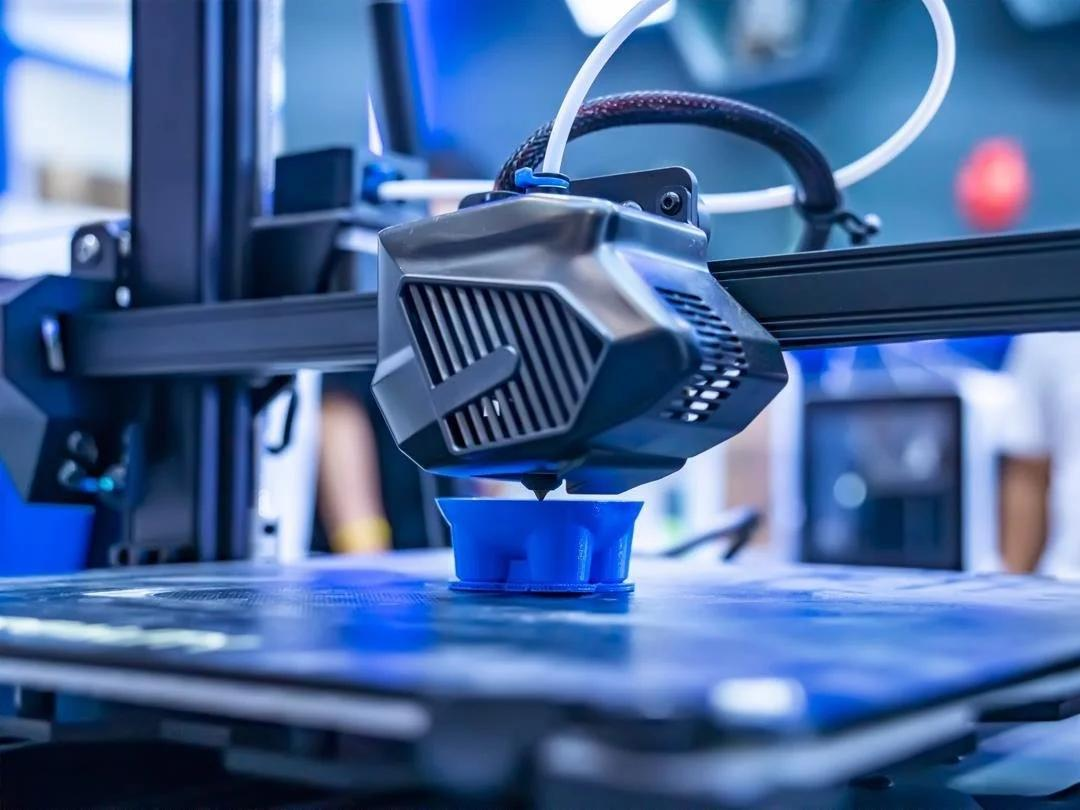
3D Printing
3D printing creates parts by adding material in successive layers. Depending on the technology, it can produce plastic prototypes, resin models, and certain metal components.
It is particularly useful when a design has complex geometry or needs to be tested before committing to production tooling or machining.
Which Process Offers Better Accuracy and Surface Finish?
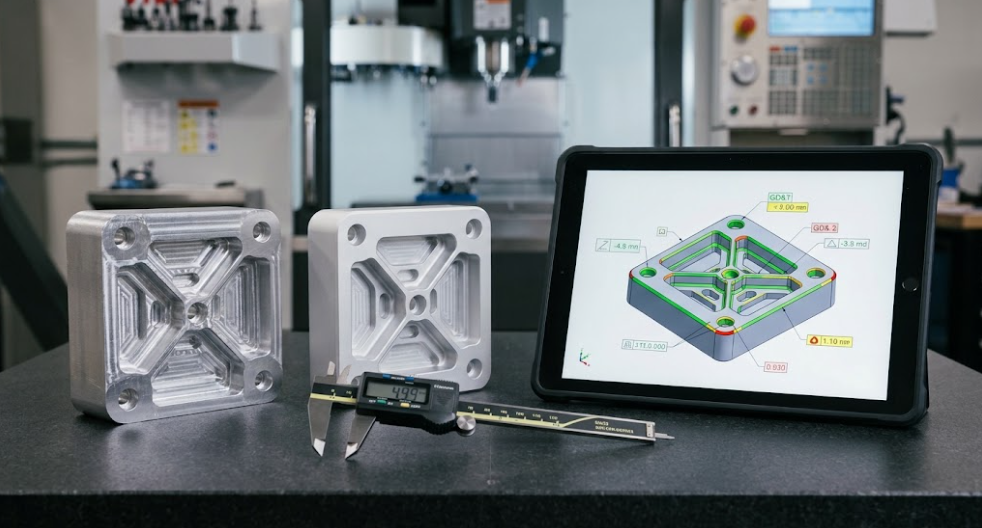
CNC machining is often preferred for parts with tight dimensional requirements and smooth functional surfaces. However, achievable tolerances depend on the geometry, material, machining setup, and inspection method.
3D printing accuracy varies significantly by technology. Some processes produce detailed parts, while others leave visible layer lines or require additional finishing.
Before choosing a process, consider:
- Critical dimensions: Which features must fit or align precisely?
- Surface requirements: Is the surface mainly cosmetic, or does it contact another component?
- Post-processing: Will sanding, polishing, machining, or another finishing step be needed?
- Inspection: Does the project require documented dimensional checks?
For more detail, see our guide to CNC machining tolerances.
Compare Materials Before Comparing Prices
Material choice can change both the manufacturing process and the final part's performance.
CNC machining is commonly used for aluminum, stainless steel, brass, and engineering plastics. It is useful when a part must meet specific strength, wear, or temperature requirements.
3D printing offers a range of polymer and resin options, along with metal printing for selected applications. The properties of a printed part can vary with the printing process, build orientation, and material.
When comparing options, ask:
- Will the part carry a load or experience repeated movement?
- Does it need to resist heat, chemicals, or wear?
- Is the material required for final use, or only for a visual prototype?
- Are material properties and test data available for the selected process?
Choose a material based on the part's working conditions, not just its initial price.
Which Process Is More Cost-Effective?
The lower-cost option depends on the design and order quantity.
CNC machining may be more suitable when:
- The part requires metal or engineering plastic with specific properties.
- Critical dimensions need to be machined accurately.
- The geometry is accessible to cutting tools.
- The part will be used as a functional component.
3D printing may be more suitable when:
- You need a quick concept model or design check.
- The geometry is complex.
- Only a small number of parts is required.
- Avoiding dedicated tooling is important.
|
Cost factor |
What to consider |
|
Material |
Material type, size, and waste |
|
Production time |
Machining setup and cycle time versus printing time |
|
Finishing |
Additional machining, sanding, polishing, or coating |
|
Quantity |
Cost per part can change as order volume increases |
|
Design changes |
How easily the design can be revised and reproduced |
For a fair comparison, request quotes using the same design, material requirements, quantity, tolerance specifications, and surface finish.
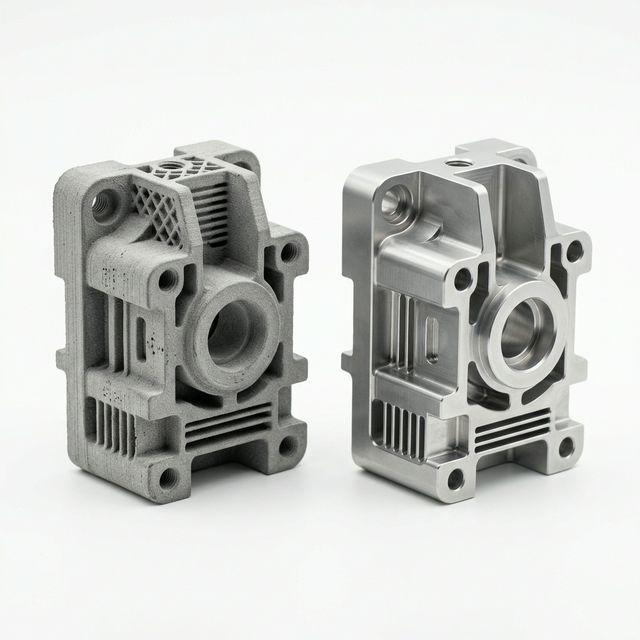
Can You Use Both Processes for One Project?
Yes. Combining the two processes can be practical during product development.
For example, you could:
- Print an early prototype to check size, appearance, and assembly.
- Revise the design based on fit and usability tests.
- Machine a functional prototype when material performance or precise interfaces need to be evaluated.
- Confirm production requirements before ordering the final parts.
This approach can help reduce unnecessary machining during early design stages while preserving the option to produce more precise functional components later.
Frequently Asked Questions
Is CNC machining better than 3D printing?
Not in every situation. CNC machining is often a good fit for precise functional parts, while 3D printing is useful for complex geometries and early prototypes. The best choice depends on the part's requirements.
Is 3D printing cheaper than CNC machining?
It can be cheaper for certain prototypes and low-volume parts, but not always. Material, geometry, finishing, and production quantity all affect the final cost.
Which process is better for functional prototypes?
CNC machining may be preferable when the prototype needs properties similar to a machined production part. 3D printing can be more practical for checking form, fit, and design concepts early in development.
Can a 3D-printed part replace a CNC-machined metal part?
Sometimes, but not automatically. The printed material, strength, dimensional accuracy, operating environment, and applicable safety requirements must all be evaluated.
Final Thoughts
CNC machining and 3D printing serve different purposes. CNC machining is often a strong choice for precision components and functional parts, while 3D printing offers flexibility for complex shapes and early-stage prototypes.
Compare the material, tolerances, geometry, quantity, and finishing requirements before making a decision. If you already have a CAD model or technical drawing, the manufacturing requirements can be reviewed to help identify a suitable process.
CNC Milling vs. CNC Turning: Key Differences, Features, and Applications
CNC Machining Design Guide: 8 Practical Tips