Custom Sheet Metal Bending for Functional Parts
Sheet metal bending transforms flat sheets into precise three-dimensional components. SelenPreci supports custom projects based on your drawings and application needs — from simple brackets to formed panels and enclosure parts.
Early consideration of material properties, bend angles, radii and geometry helps reduce manufacturing issues and improve assembly fit.
What Is Sheet Metal Bending?
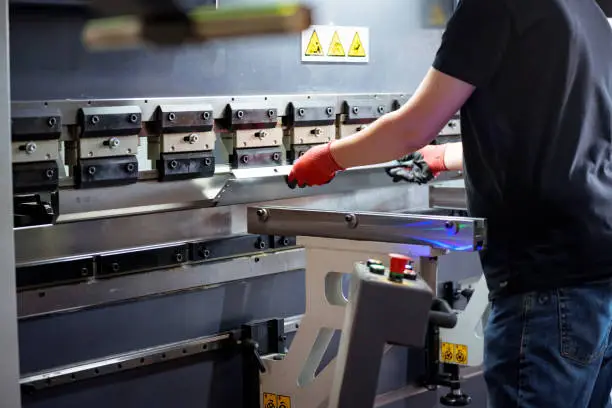
Sheet metal bending is a forming process that applies force to a flat sheet to create specified angles or shapes. Common forms include L-brackets, U-channels, flanges and formed enclosures.
Results depend on material, thickness, bend radius, tooling, springback and bend sequence. Designs should also consider flange length, hole-to-bend distance and potential tool interference.
Precision Sheet Metal Bending
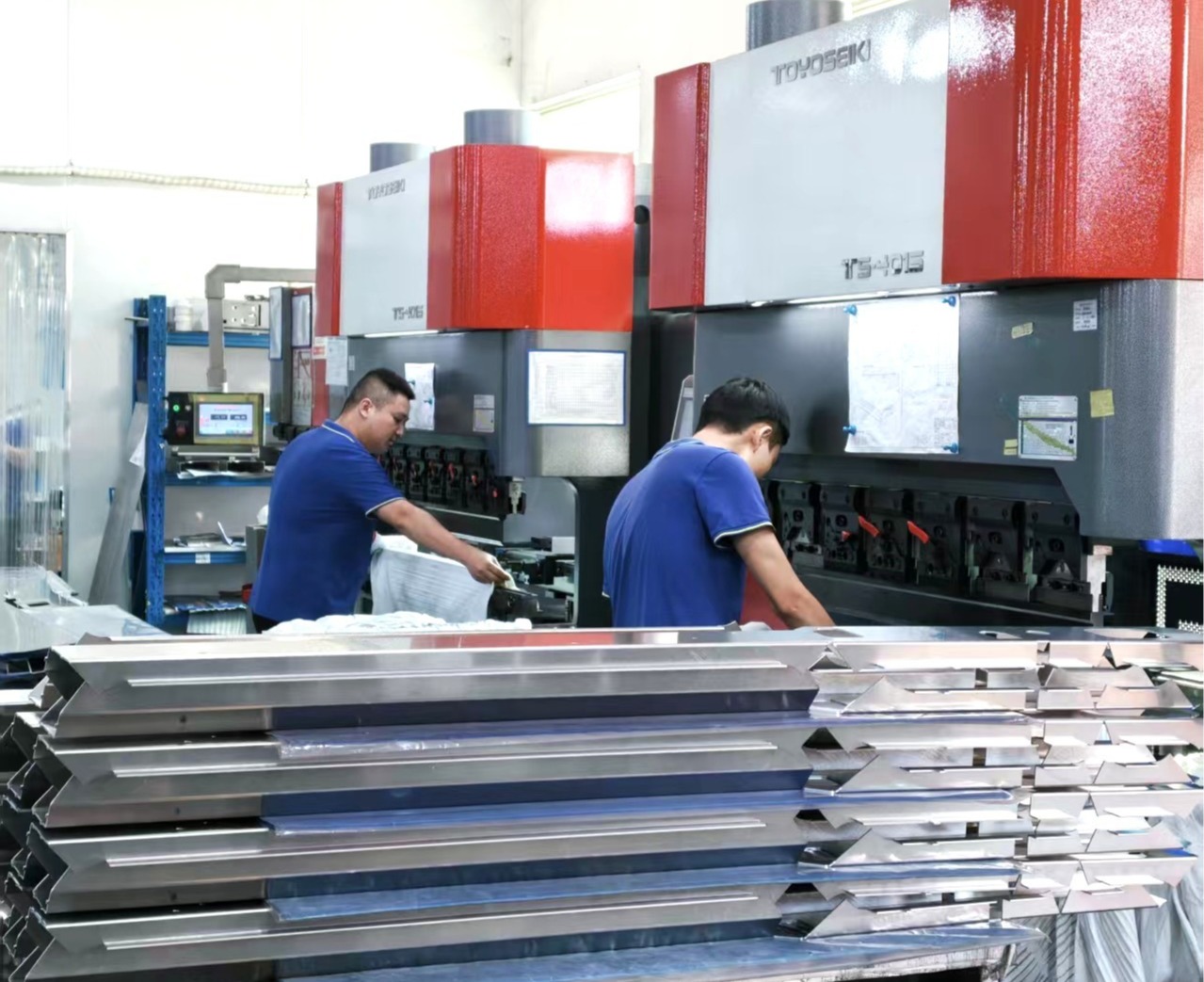
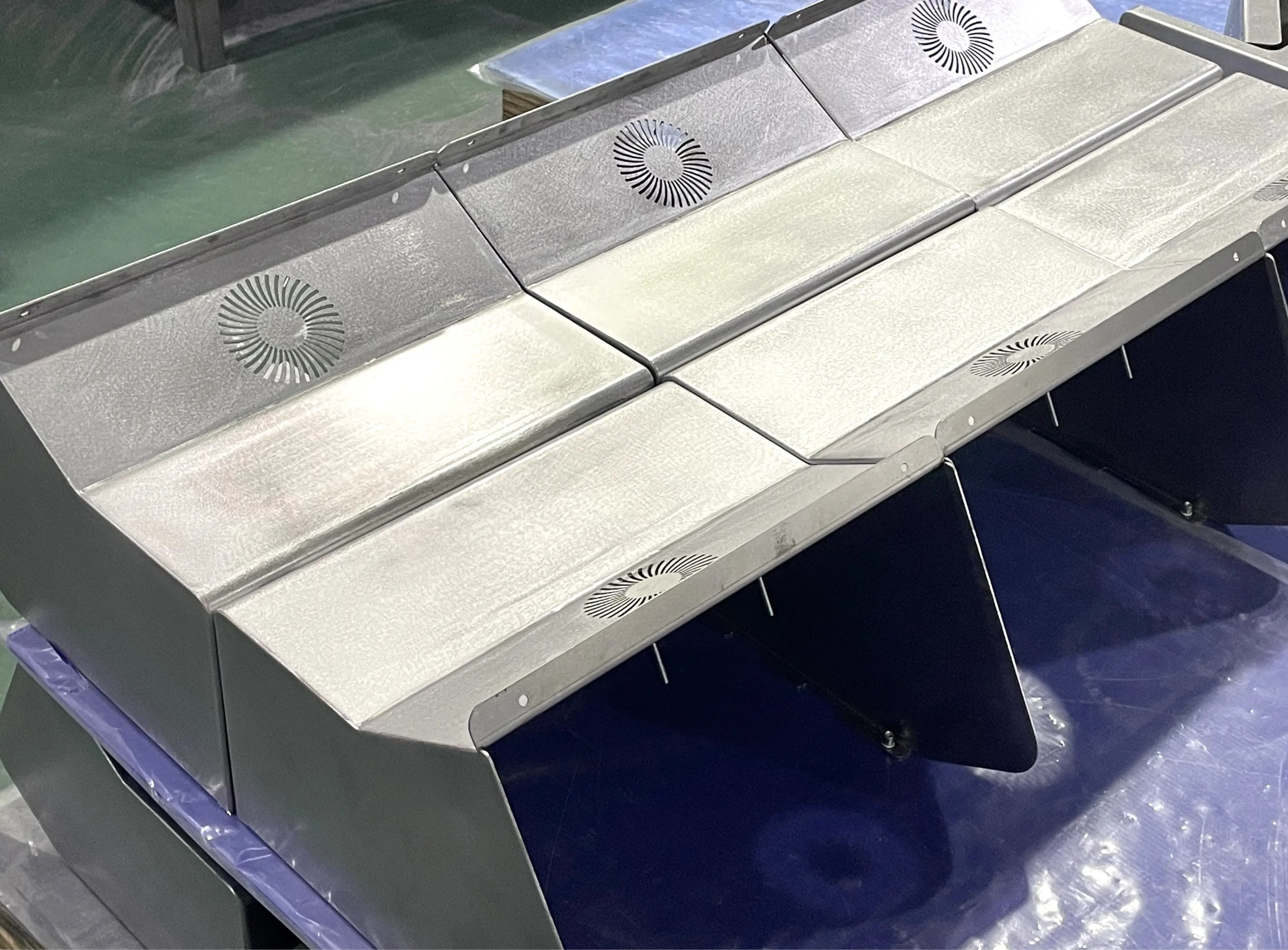
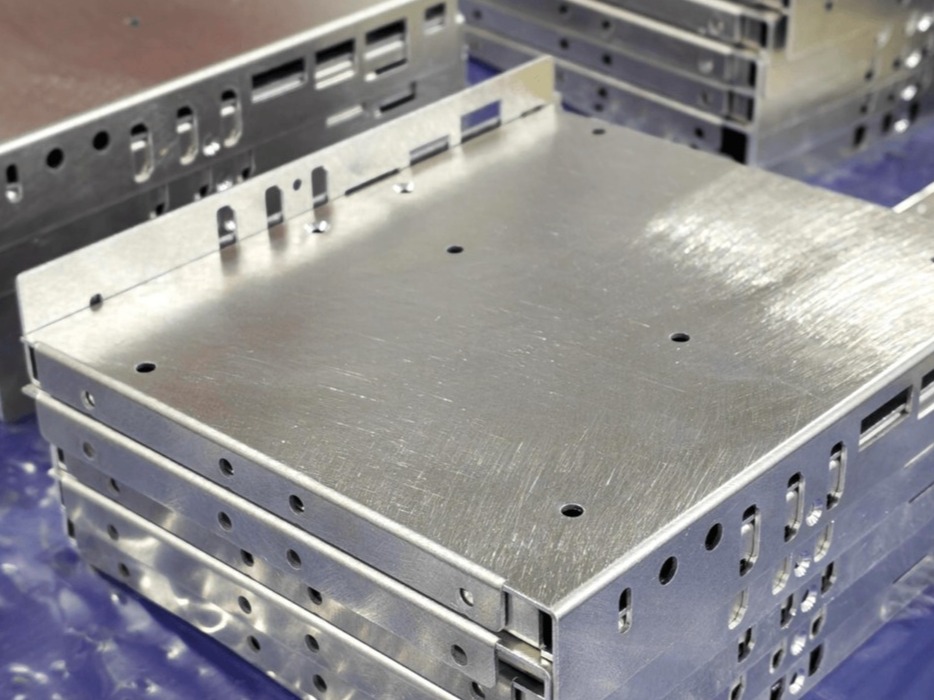
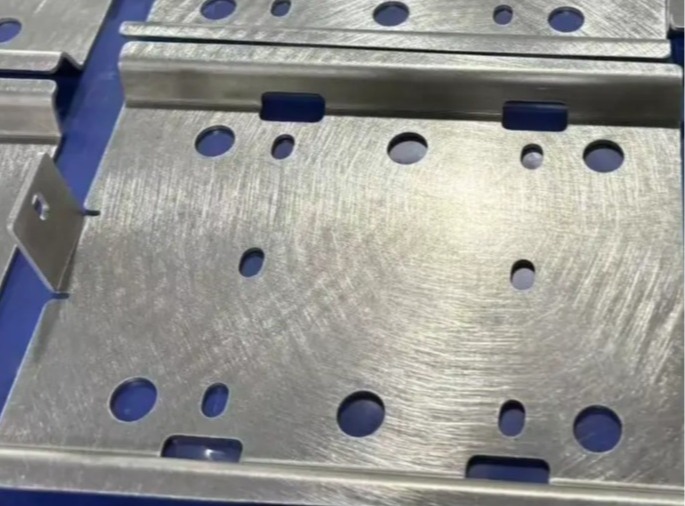
Bending shapes flat metal blanks into functional components with precise angles, flanges and profiles. Strict dimensional control ensures parts meet design requirements and fit accurately during assembly.
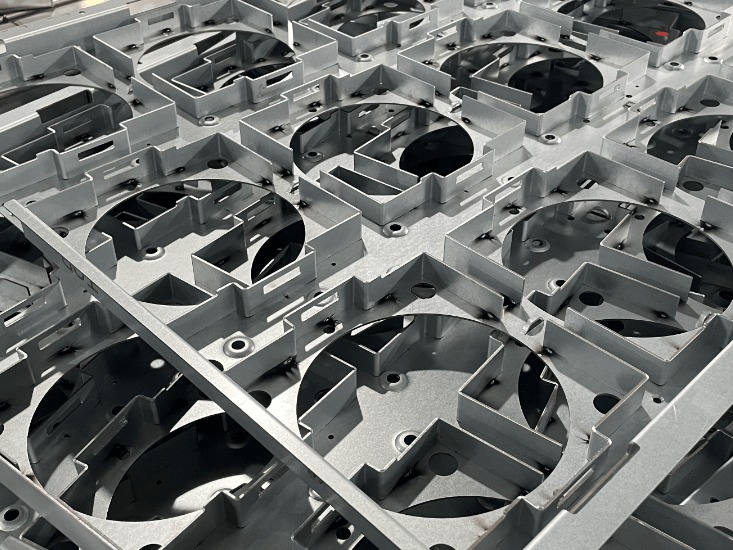
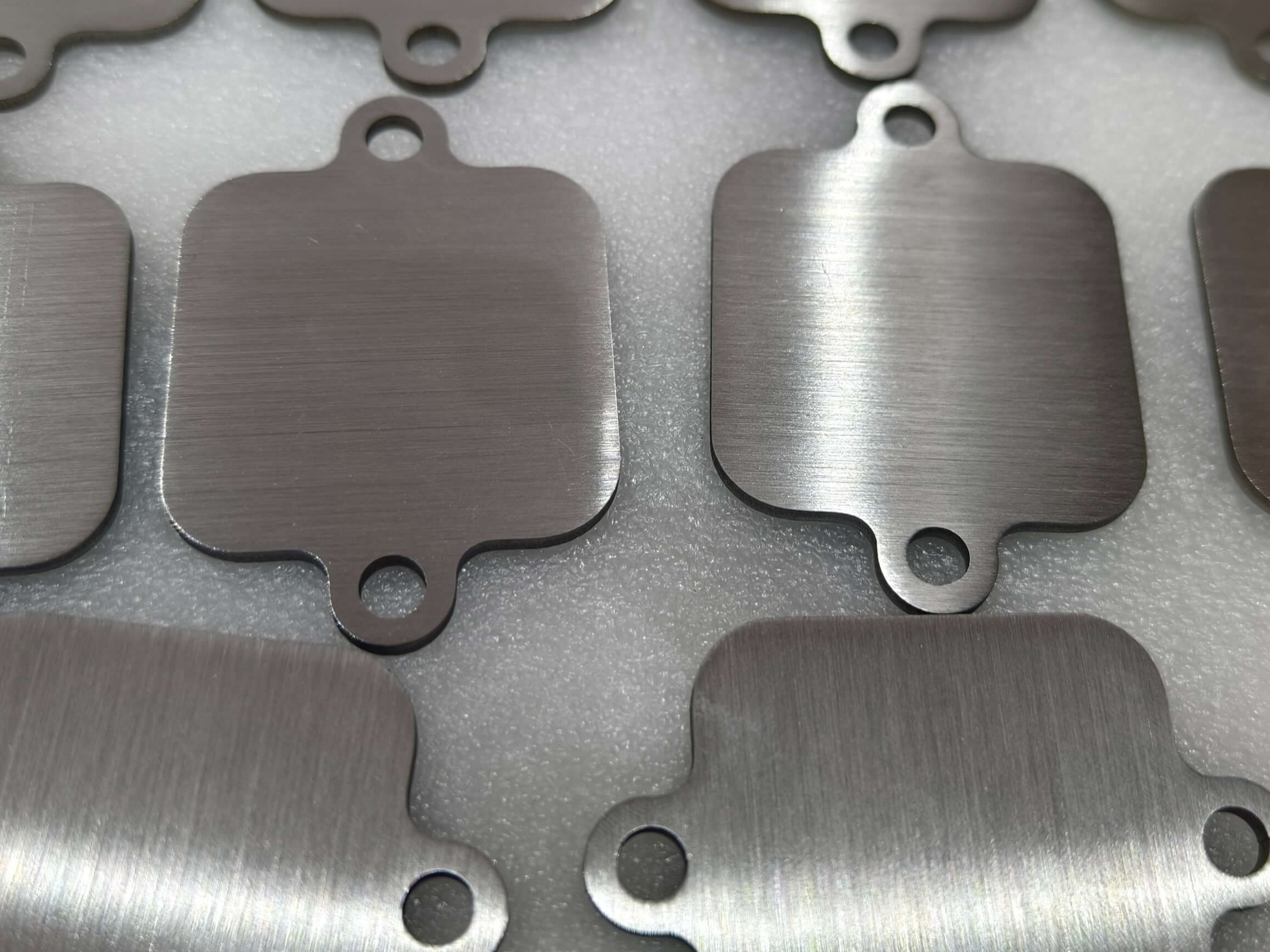
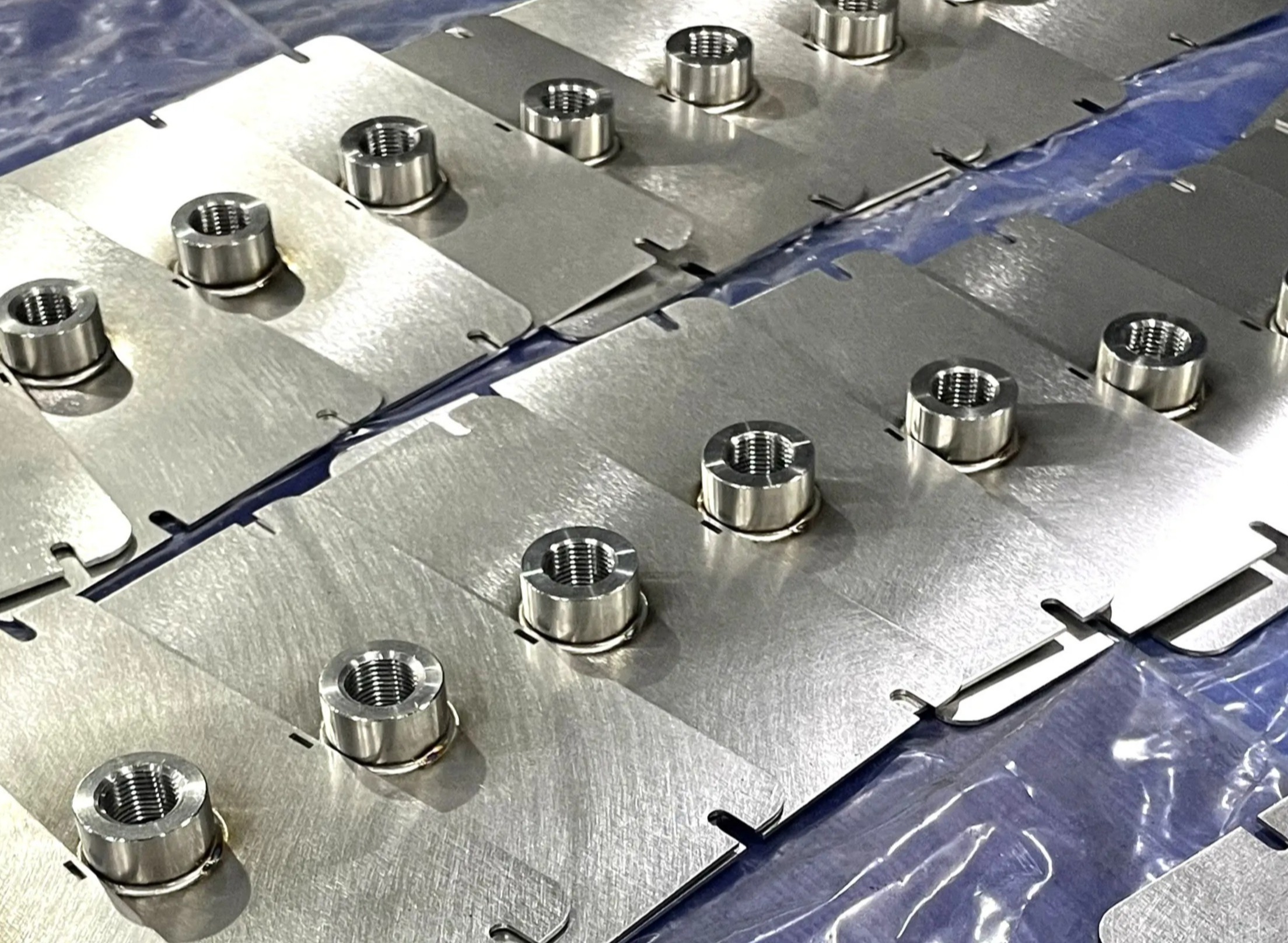
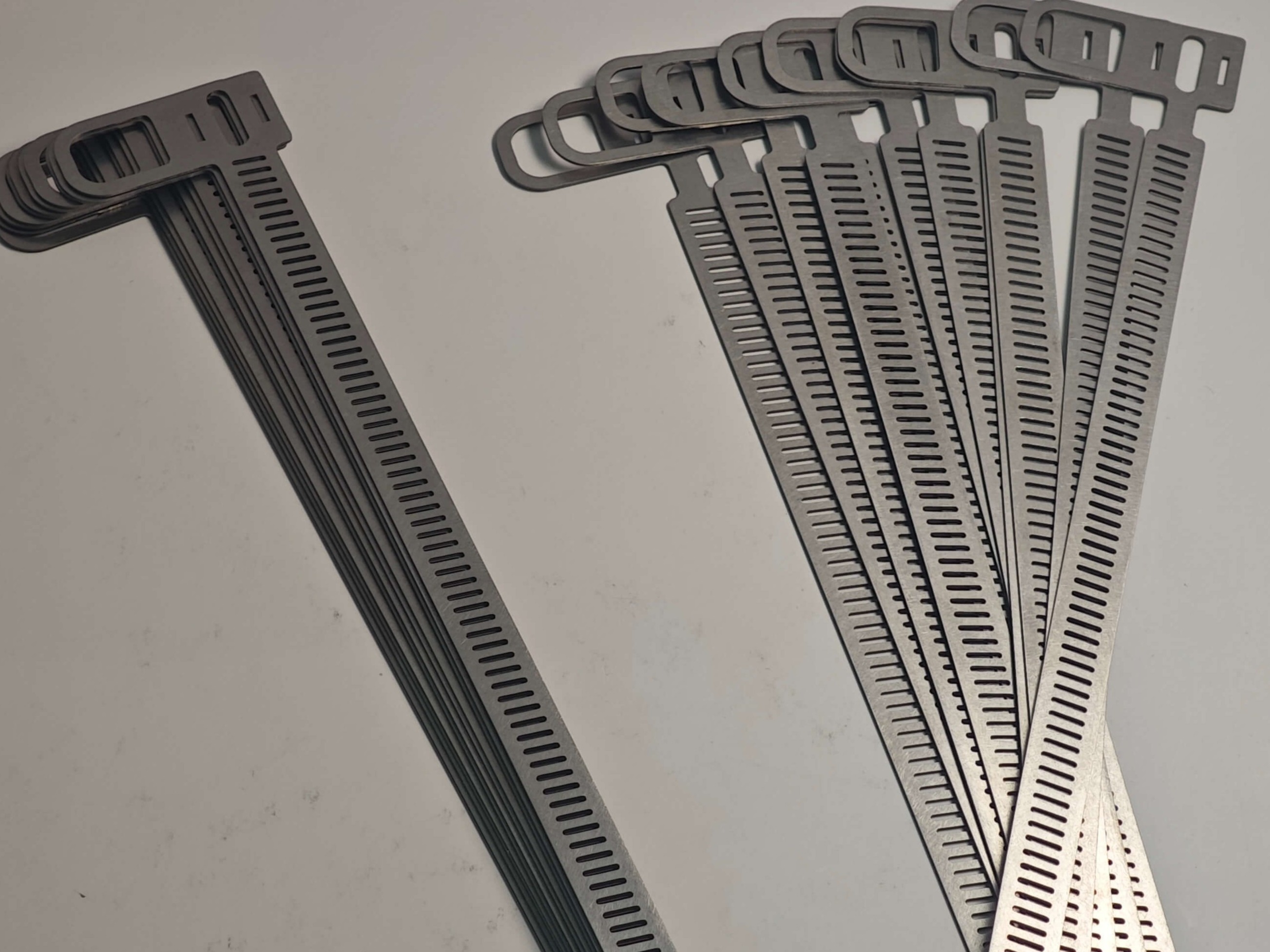
Custom Sheet Metal Parts Showcase
Dimensional Inspection for Bent Parts
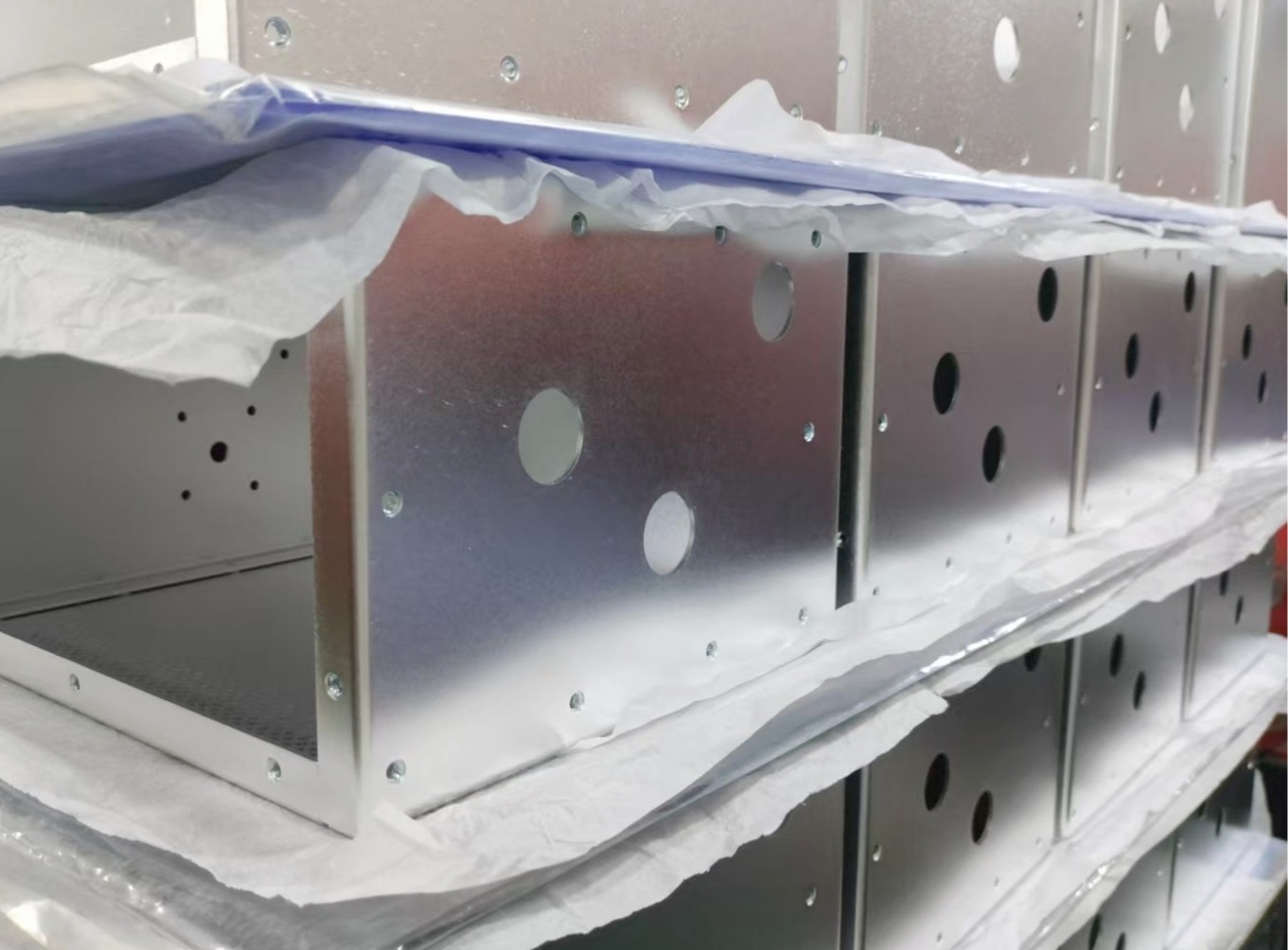
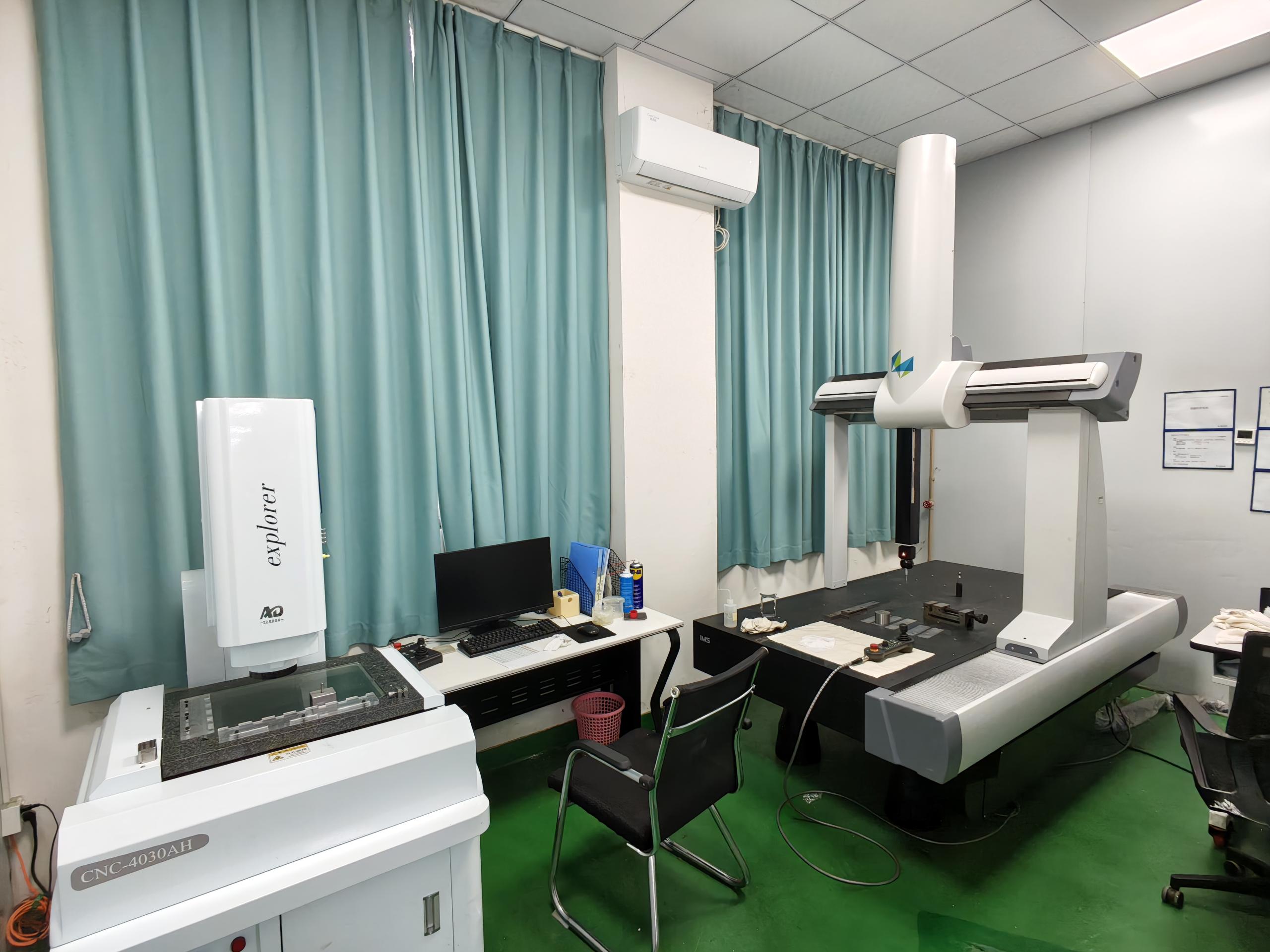
Bent sheet metal components are inspected against specified dimensions, bend angles and drawings. Focus is placed on critical features to ensure parts meet the intended design.
Sheet Metal Bending Capabilities
Parameter
Capability
Bend angle tolerance
±1°
Bend-to-edge or hole tolerance
±0.254 mm
Maximum bending length
Up to 7,200 mm
Maximum bending thickness
Up to 60 mm
Bending force
Up to 1,000 tons
Bend radius
Determined by material, thickness, and design
Typical lead time
5 days or more
Why Choose SelenPreci for Sheet Metal Bending
Sheet Metal Bending FAQ
Cost depends on material, thickness, part size, number of bends, geometry, tooling needs, order quantity, and inspection requirements.
These are common applications for sheet metal bending. Send your drawings so the required geometry and manufacturing route can be reviewed.
Tolerance varies with material, thickness, part geometry, and equipment. Identify critical dimensions and required bend angles on your drawing.
Bending may be combined with welding and surface finishing when the design and manufacturing route allow. Specify these requirements when requesting a quote.
SelenPreci supports inquiries for prototype, small-batch, and production-volume projects. Feasibility and delivery timing are confirmed on a project basis.